AI Classifier Use Cases and Applications
An AI classifier is a machine learning model that assigns input data, such as text, images, or structured records, to one or more predefined categories. Every time your email client sorts spam before you see it, or a bank flags a suspicious transaction at 2 a.m., a classifier is doing that work invisibly and at speed. The breadth of AI classifier applications across industries is wider than most people realize, and resources like Jev AI use examples show just how varied those real-world deployments can be. Understanding them helps you spot where this technology can solve real problems.

How AI Classifiers Work in Practice
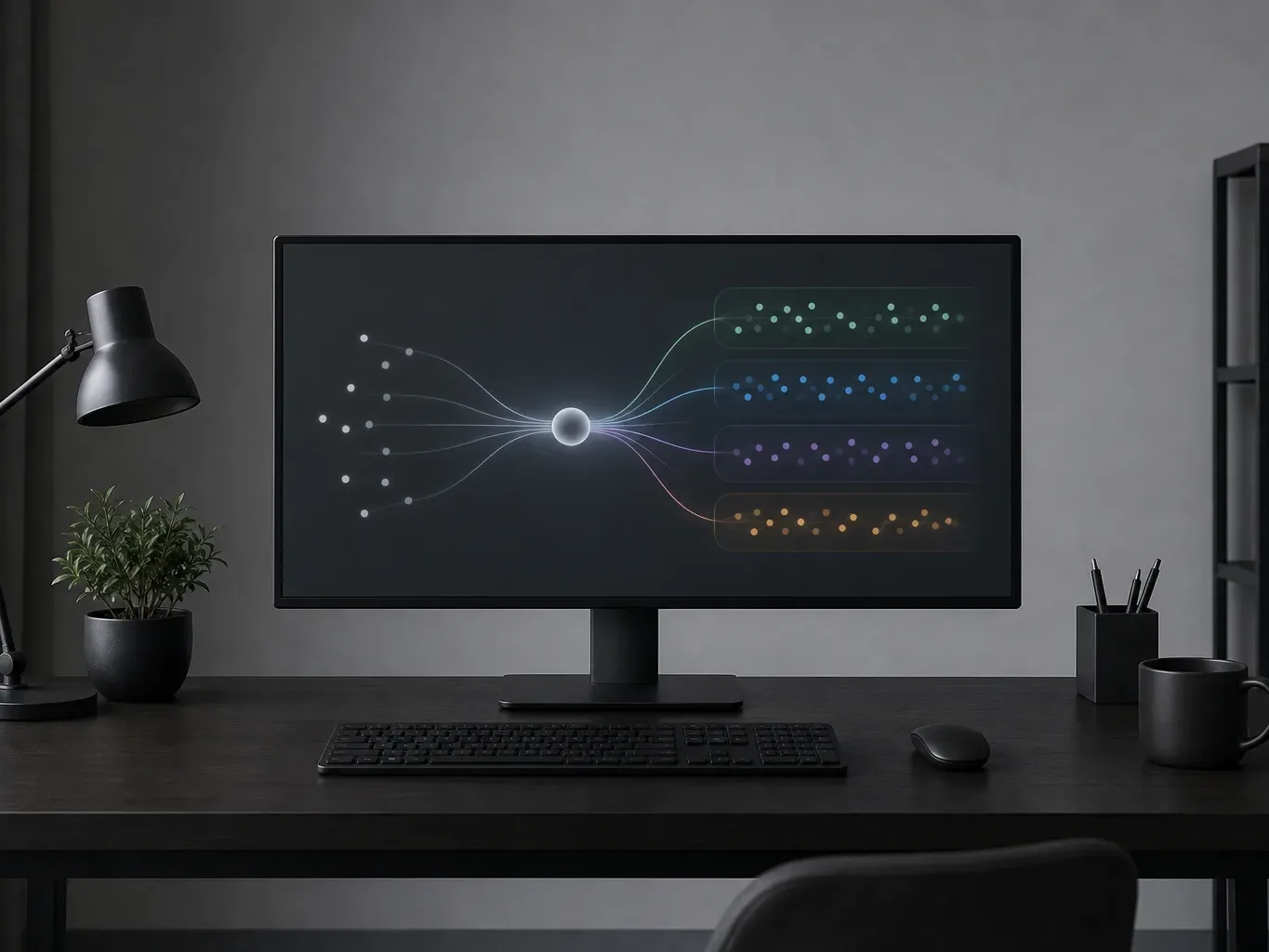
A classifier reads an input, runs it through a trained model, and outputs a confidence score between 0 and 1 for each possible category. A score above the decision threshold, which defaults to 0.5 in most systems, triggers a positive prediction. That threshold is adjustable: a fraud team might lower it to catch more suspicious cases, accepting more false positives, while a content platform might raise it to reduce over-blocking.
Dedicated classifiers respond in under 100 milliseconds for most cloud-hosted text tasks at standard input lengths. That speed matters enormously when you need millions of decisions per hour. Running a lightweight classification model also costs an order of magnitude less per inference than routing the same decision through a large language model, making classifiers the practical choice for high-volume pipelines.

Spam and Phishing Detection
Email spam filtering is one of the oldest and best-known AI classifier applications. Modern systems analyze sender reputation, header patterns, and message content simultaneously, then assign each message a spam probability score. Classifiers in this space commonly report 95–99% accuracy on benchmark datasets, though real-world performance depends on how fresh the training data is and how aggressively the threshold is tuned.
Phishing detection extends the same logic to links, attachments, and sender impersonation signals. A message that mimics a bank's logo but originates from an unfamiliar domain gets flagged before it reaches the inbox. Security teams can retrain these models regularly as new phishing templates emerge, keeping detection current without rebuilding from scratch.
Fraud Detection in Financial Services
Banks and payment processors run transaction classifiers continuously, scoring every card swipe, wire request, and account login against patterns learned from confirmed fraud cases. Production systems in this space typically target a false positive rate below 1–5%, because incorrectly blocking a legitimate transaction frustrates customers and erodes trust. Getting that balance right requires careful threshold tuning and ongoing review of flagged cases.
Real-Time Scoring at Scale
The classifiers behind fraud detection respond in milliseconds, well within the window of a card-present payment. A single model can evaluate dozens of features simultaneously: transaction amount, merchant category, device fingerprint, and geographic distance from the cardholder's usual activity. When the confidence score crosses the fraud threshold, the transaction is declined or routed to a human reviewer depending on the platform's policy.

Content Moderation on Digital Platforms
Large platforms process hundreds of millions of content items per day using automated classifiers before any human review takes place. Each post, image, or video is scored against categories such as hate speech, graphic violence, and misinformation. Items above a set threshold are removed, demoted, or sent to a human moderator queue depending on severity.
Multi-label classification is especially valuable here. A single input can receive two or more labels at once, so a post might be flagged as both potentially graphic and potentially spam simultaneously, allowing moderators to prioritize it correctly. Without automation at this scale, human review teams could not keep up with the volume.

Sentiment Analysis and Customer Feedback
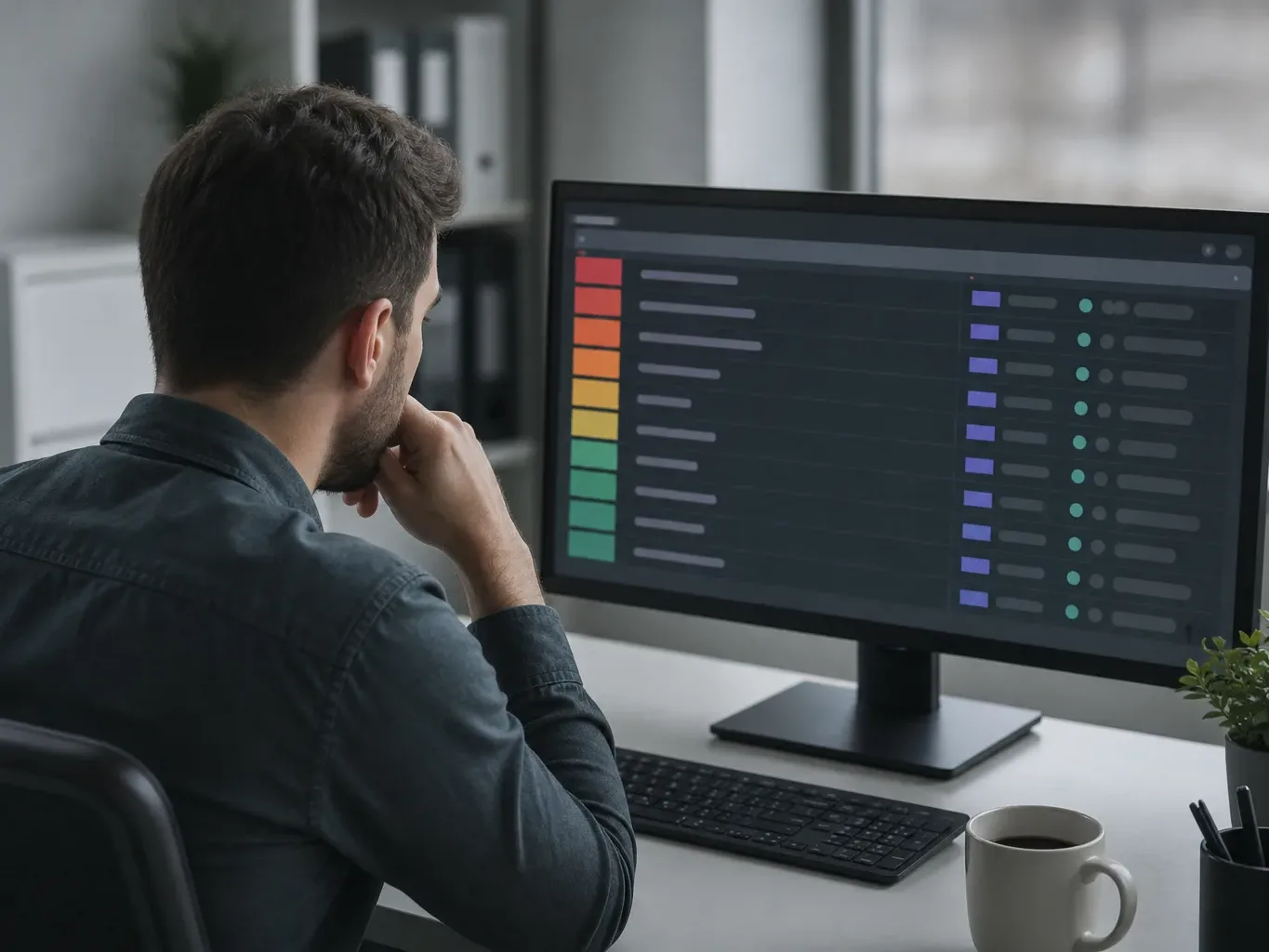
Retail, hospitality, and SaaS companies feed customer reviews, support tickets, and survey responses into sentiment classifiers to understand satisfaction trends without manually reading every message. A multi-class classifier assigns each piece of feedback exactly one label from categories such as positive, neutral, or negative. Aggregated scores let product teams track how a new feature launch affects customer sentiment week over week.
More granular models split feedback by topic, so a hotel chain can see that guests rate cleanliness positively but flag noise as a recurring complaint. These insights drive operational decisions faster than quarterly surveys. Training a reliable classifier typically requires at least a few hundred labeled examples per class, so companies with large support archives are well-positioned to build accurate custom models.
Healthcare Record Categorization
Clinical notes, discharge summaries, and insurance claims all contain free-form text that hospitals need to organize quickly. Text classifiers can sort documents by department, diagnosis code family, urgency level, or billing category, reducing the manual coding work that strains administrative teams. A well-trained model on domain-specific language can process thousands of records per hour.
The EU AI Act, in force from 2024 with phased obligations running through 2027, designates certain AI classification systems as high-risk when used in healthcare and credit scoring contexts. That means conformity assessments and documented human oversight are required, not optional. Any healthcare organization deploying a classifier for clinical decisions should verify current compliance obligations before going live.
Personal Data Detection and Privacy Compliance
Privacy teams use AI PII classifiers to scan documents, databases, and data pipelines for personal identifiers before sharing or publishing data. These models can identify common types such as names, email addresses, phone numbers, and national ID numbers with reasonable reliability. For regulatory compliance under frameworks like GDPR or CCPA, they should be paired with rule-based pattern matching and periodic human audit, since no classifier achieves 100% detection.
Automatic redaction workflows trigger when the classifier flags a document section above the confidence threshold. This speeds up data-sharing agreements and reduces the risk of accidental exposure. A custom PII classifier built on company-specific data formats will consistently outperform a generic off-the-shelf model.
AI Safety Guardrails in Conversational Applications
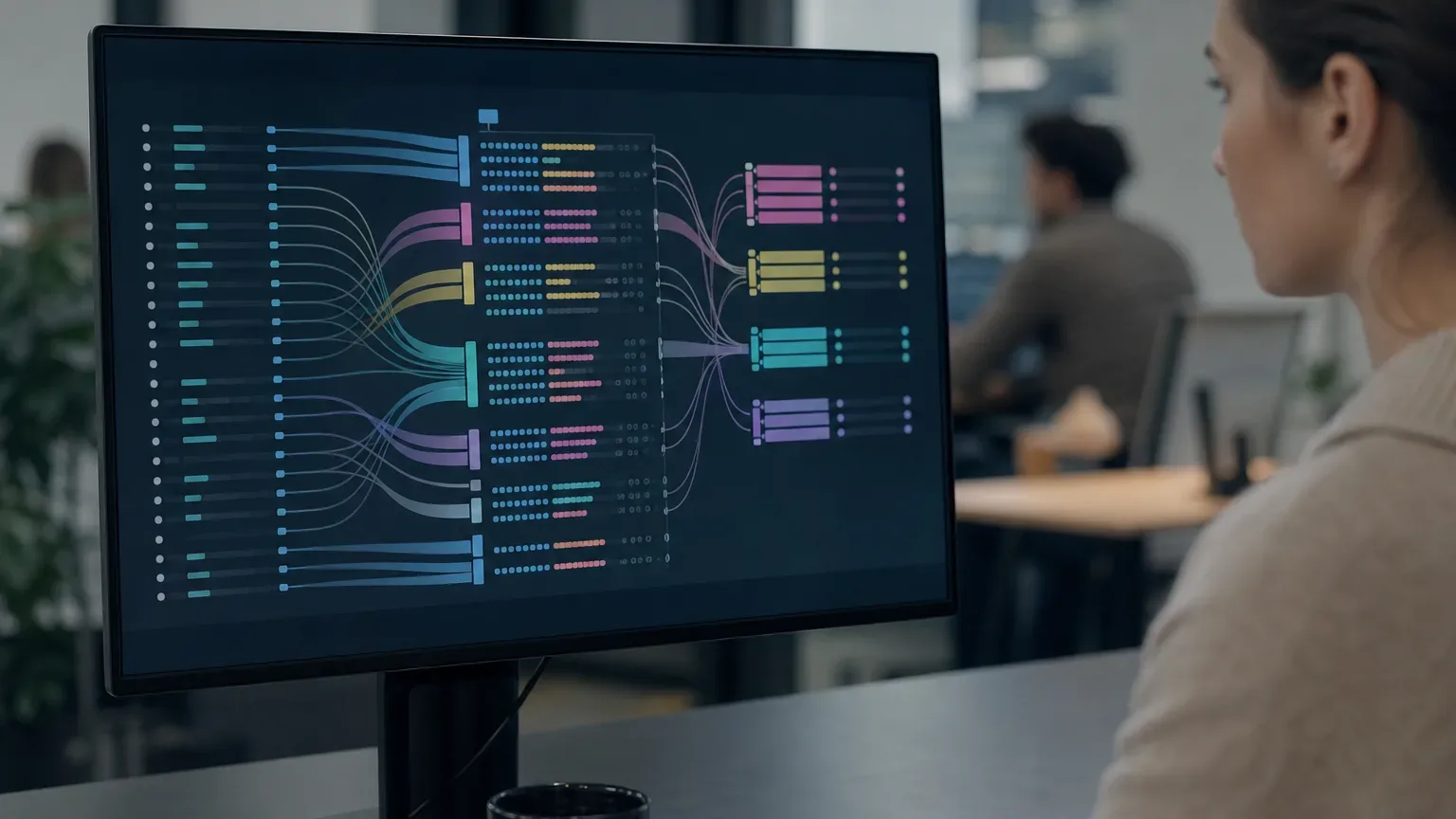
A guardrail is an AI safety layer, implemented as a classifier or rules engine, that inspects inputs or outputs to block harmful, non-compliant, or off-topic content before it reaches end users. Any company deploying a customer-facing chatbot needs one. Without a guardrail, users can craft inputs designed to steer the system toward harmful responses, a threat recognized by OWASP as a top security risk for LLM-powered applications.
Classifiers as Input Screeners
A lightweight classifier positioned in front of a large language model screens every incoming message for policy violations in under 100 milliseconds. Messages flagged as off-topic, abusive, or potentially adversarial are blocked or rerouted before the LLM processes them. This architectural choice keeps costs down, since the cheap classifier handles the bulk of decisions and only clean inputs reach the more expensive model.
Choosing the Right Approach for Your Needs
Cloud-hosted classifier APIs typically run at $0.50–$5.00 per 1,000 calls, depending on model size, provider, and input length. That makes them affordable for moderate volumes. High-volume or highly specialized applications often justify a custom-trained model, which can cost $5,000–$50,000 or more including data labeling, training, evaluation, and deployment.
Zero-shot and few-shot models built on large language models can operate with far fewer labeled examples than traditional supervised classifiers, which usually need several hundred examples per class. If your labeled data is thin, starting with an LLM-based classifier and shifting to a fine-tuned model as you accumulate examples is a practical path. The right architecture depends on your volume, your accuracy requirements, and how quickly your categories evolve.
Frequently Asked Questions
What Industries Benefit Most from AI Classifier Applications?
Financial services, healthcare, e-commerce, social media platforms, and cybersecurity all rely heavily on AI classifiers. Banks use them for real-time fraud scoring, hospitals use them to categorize clinical records, and platforms use them to moderate content at scale. Any industry handling large volumes of repetitive categorization tasks is a strong candidate.
How Accurate Are AI Classifiers in Real-world Use?
Accuracy varies by domain and data quality. Spam classifiers commonly report 95–99% accuracy on benchmark datasets, but real-world performance depends on how current the training data is and how the decision threshold is set. Custom models trained on domain-specific data consistently outperform generic models for specialized tasks.
What Is the Difference Between a Classifier and a Large Language Model?
A classifier assigns input to predefined categories and is optimized for speed and cost at scale. A large language model generates flexible text responses but is slower and more expensive per inference. Dedicated classifiers are generally faster and cheaper for binary or multi-class decisions; LLMs offer broader reasoning that classifiers cannot replicate.
How Much Data Do I Need to Train a Custom AI Classifier?
Most supervised text classifiers need at least a few hundred labeled examples per class to perform reliably. If you have limited labeled data, zero-shot or few-shot models built on large language models can work with far fewer examples. As you collect more labeled data over time, you can transition to a fine-tuned classifier for better accuracy.
Are AI Classifiers Subject to Regulation?
Some are. The EU AI Act, in force from 2024 with obligations phased through 2027, designates certain classification systems as high-risk, particularly in healthcare, credit scoring, and employment screening. High-risk systems require conformity assessments and documented human oversight. Organizations should review current compliance deadlines before deploying classifiers in regulated contexts.