AI-Powered Spam Detection - How Email Classifiers Work
Your inbox filters roughly 45% of all email before you ever see it. That filtering is driven by AI spam detection classifiers, machine learning models that read incoming messages and decide, in milliseconds, whether each one belongs in your inbox or your spam folder. Understanding how they work helps you trust them more and troubleshoot them when they get it wrong.
What an AI Classifier Actually Does
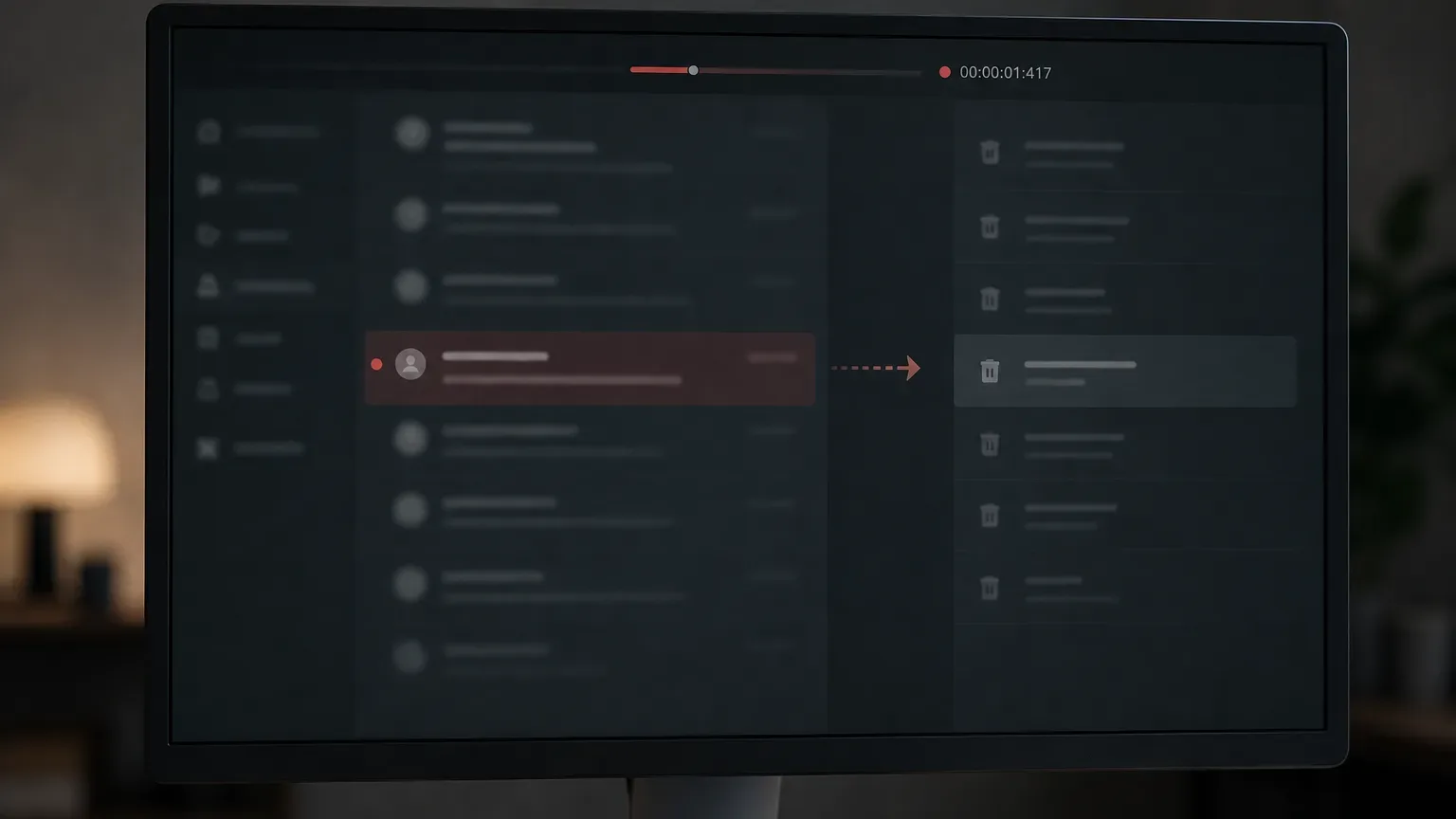
An AI classifier is a machine learning model that assigns input data to one or more predefined categories. In email, those categories are typically "spam" and "not spam," though enterprise systems often add finer labels like "phishing," "bulk marketing," or "newsletter."
The model produces a confidence score for each message: a probability value between 0 and 1 indicating how likely the input belongs to a given class. A score of 0.95 means the classifier is highly confident the message is spam. A score of 0.2 means it leans strongly toward legitimate.
The threshold is the cutoff that turns a probability into a decision. By default, most classifiers commit to a positive prediction at 0.5. Scores at or above that point get labeled spam; scores below it pass through. That default is a starting point, not an optimized setting, and email providers tune it constantly based on real-world feedback.

How the Classifier Learns to Spot Spam
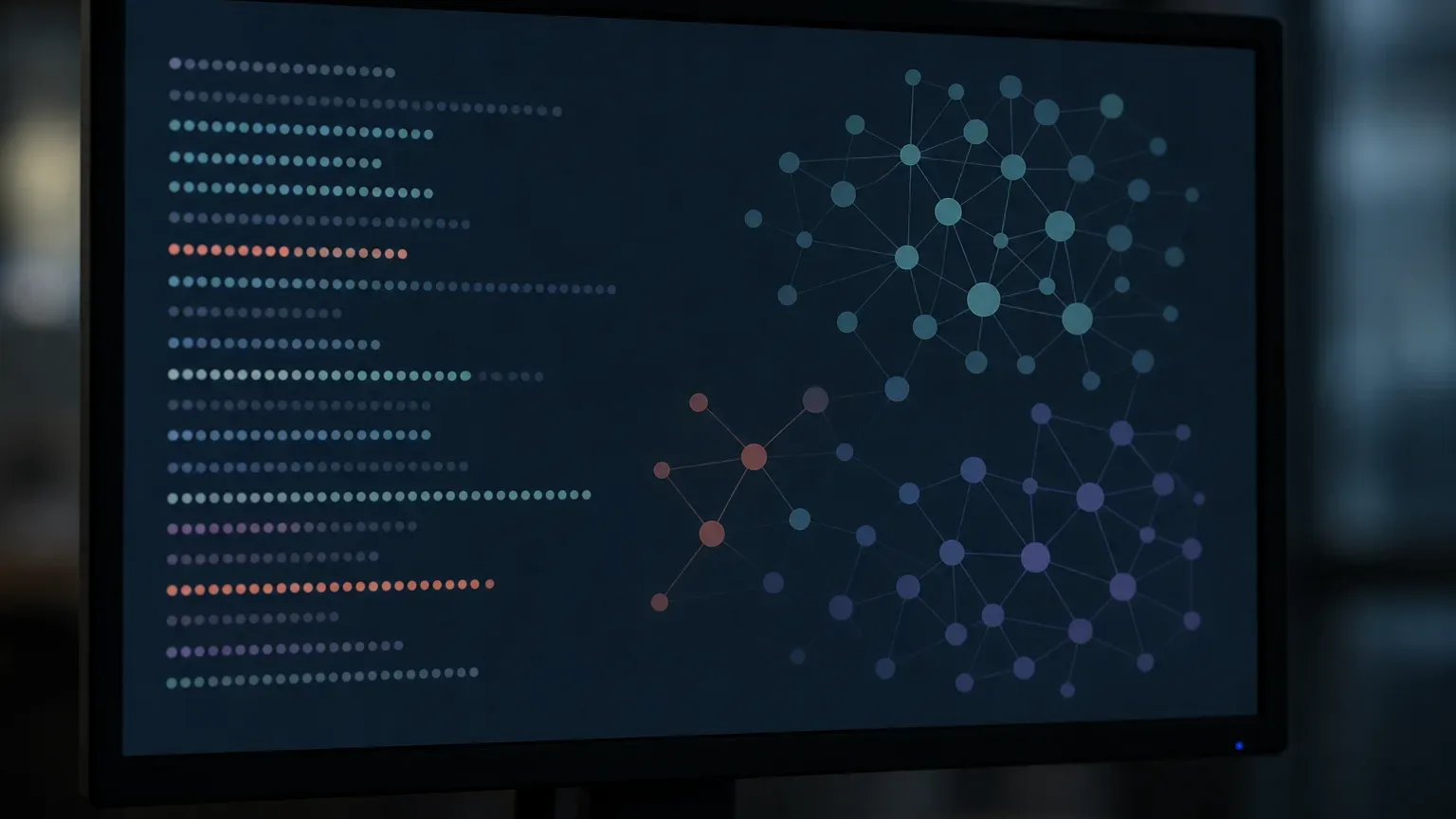
Training a spam classifier requires labeled examples: thousands of messages already marked as spam or legitimate. The model studies patterns across those examples and builds internal rules for what makes a message suspicious.
Some signals are obvious: a subject line in all caps, a sender address that spoofs a known brand, or a body stuffed with links to unfamiliar domains. Others are subtler, such as unusual sending times, mismatched reply-to addresses, or combinations of words that historically co-occur in phishing attempts.
Modern AI spam classifiers commonly report 95–99% accuracy on benchmark datasets. Real-world accuracy depends on how fresh the training data is, how well it matches the actual messages hitting your provider's servers, and how aggressively the threshold is set. Spammers adapt quickly, so providers retrain their models on a continuous cycle.

The Two Failure Modes You Care About
Every spam classifier fails in one of two directions. A false positive is a legitimate email incorrectly marked as spam. A false negative is a spam email that slips through to your inbox.
Most providers accept a small number of false negatives to keep false positives low. Finding a genuine order confirmation or a message from your bank buried in the spam folder costs real trust. The classifier's threshold setting controls this balance directly, and providers adjust it based on aggregate user feedback when people mark messages as "not spam."
For fraud-related classification, such as phishing detection, the calculus shifts. Production fraud classifiers typically target a false positive rate below 1–5%, accepting more friction to catch more genuinely dangerous messages. A missed phishing attempt can mean a compromised account; a misrouted newsletter is an annoyance.
What the Classifier Actually Reads
Message Headers
Headers carry metadata the average user never sees: the originating IP address, authentication results from SPF and DKIM checks, the mail transfer agent chain, and timestamp data. A message that fails authentication or routes through known spam-associated IP ranges starts with a high suspicion score before the classifier even reads a single word.
Message Body and Subject Line
The classifier tokenizes the body text, breaking it into words and phrases and comparing them against patterns learned during training. Subject lines get extra weight because spammers have historically packed them with urgency triggers like "Act now" or "You've been selected."
HTML structure matters too. A message that contains almost no visible text but dozens of tracking pixels and redirect links looks very different from a plain-text reply from a colleague. Image-heavy layouts with minimal readable content are a classic spam signal the classifier has seen millions of times.
Sender Reputation
The classifier doesn't evaluate each message in isolation. Sender reputation feeds into the score: how many previous messages from this domain were marked spam by other users, whether the domain is newly registered, and whether the sending volume spiked suddenly. A legitimate business newsletter from a domain with five years of clean sending history arrives with a head start in the legitimate direction.
Why Speed Matters at Scale
Large platforms process hundreds of millions of content items per day using automated classifiers before any human review touches them. At that volume, speed is not a nice-to-have. Most cloud-hosted text classifiers respond in under 100 milliseconds at standard input lengths, which means your email provider can classify every incoming message before your client even polls for new mail.
Dedicated classifiers are generally faster and cheaper to run at scale than prompting a large language model for the same binary decision. A lightweight classification model typically costs an order of magnitude less per inference than an equivalent LLM API call. That cost gap is why specialized spam classifiers exist rather than every provider simply routing messages through a general-purpose AI.


How Providers Improve Over Time
User feedback is the most direct training signal available. Every time you mark a message as spam or pull a message out of the spam folder, that action feeds back into the model. At scale, millions of users correcting millions of edge cases produce a continuously updated picture of what spam actually looks like today.
Providers also run honeypot addresses: email accounts that exist only to receive spam, never subscribed to anything, never shared publicly in legitimate contexts. Any message that arrives there is almost certainly spam, and it goes straight into the training pipeline.
The EU AI Act, in force from 2024 with phased obligations running through 2027, designates certain AI classification systems as high-risk, requiring conformity assessments and human oversight. Spam classifiers used in consumer email services are watching those regulatory developments closely, particularly as classification decisions affect access to communications.
What You Can Do When It Gets It Wrong
If legitimate email keeps landing in spam, check whether your sender is authenticated. Ask them to verify that their domain has SPF and DKIM records configured correctly. A missing DKIM signature is one of the fastest ways for a legitimate sender to accumulate a poor reputation score.
For your own outgoing email, avoid patterns the classifier associates with spam: misleading subject lines, excessive links, and sending large volumes from a brand-new domain without a warm-up period. The classifier is not trying to block you; it is pattern-matching against a history of behavior that happened to share your choices.
Whitelisting a sender by adding them to your contacts or marking their messages as "not spam" teaches the classifier that your relationship with that sender is genuine. That feedback loops back into the model faster than most users expect.

Frequently Asked Questions
How Do Spam Detection Classifiers Work?
A spam detection classifier reads each incoming email's headers, body text, and sender reputation, then produces a confidence score between 0 and 1 indicating how likely the message is spam. If that score meets or exceeds the threshold (commonly 0.5 by default), the message is routed to the spam folder. The model learned those patterns from thousands of labeled examples during training and is updated continuously using real user feedback.
How Accurate Are AI Spam Filters?
Modern AI spam classifiers commonly report 95–99% accuracy on benchmark datasets. Real-world accuracy depends on how current the training data is, how well it matches the messages your provider receives, and how the confidence threshold is configured. Spammers constantly adapt their tactics, so providers retrain their models on an ongoing basis to maintain that accuracy range.
Why Does Legitimate Email Sometimes End Up in the Spam Folder?
A legitimate email lands in spam when it shares patterns the classifier has associated with spam from training data: failed authentication checks like missing SPF or DKIM records, unusual sending volumes, misleading subject lines, or a sender domain with a poor reputation score. Marking the message as 'not spam' and adding the sender to your contacts provides direct feedback that helps the classifier correct itself over time.
What Is a Confidence Score in an Email Classifier?
A confidence score is a probability value between 0 and 1 that a classifier outputs to indicate how likely an input belongs to a given class. In spam detection, a score close to 1 means the classifier is highly confident the message is spam, while a score close to 0 indicates it is probably legitimate. The classifier commits to a spam label only when the score meets or exceeds the configured threshold, which defaults to 0.5.
Can AI Spam Classifiers Detect Phishing Emails?
Yes. Many providers train separate or layered classifiers specifically for phishing, which look for spoofed sender addresses, mismatched reply-to fields, urgent language designed to pressure recipients, and links pointing to newly registered or suspicious domains. Because phishing carries higher risk than ordinary spam, fraud-oriented classifiers typically target a false positive rate below 1–5%, accepting tighter thresholds to catch more dangerous messages.