Patient Message Triage with AI Classifiers
The Problem with an Overflowing Inbox
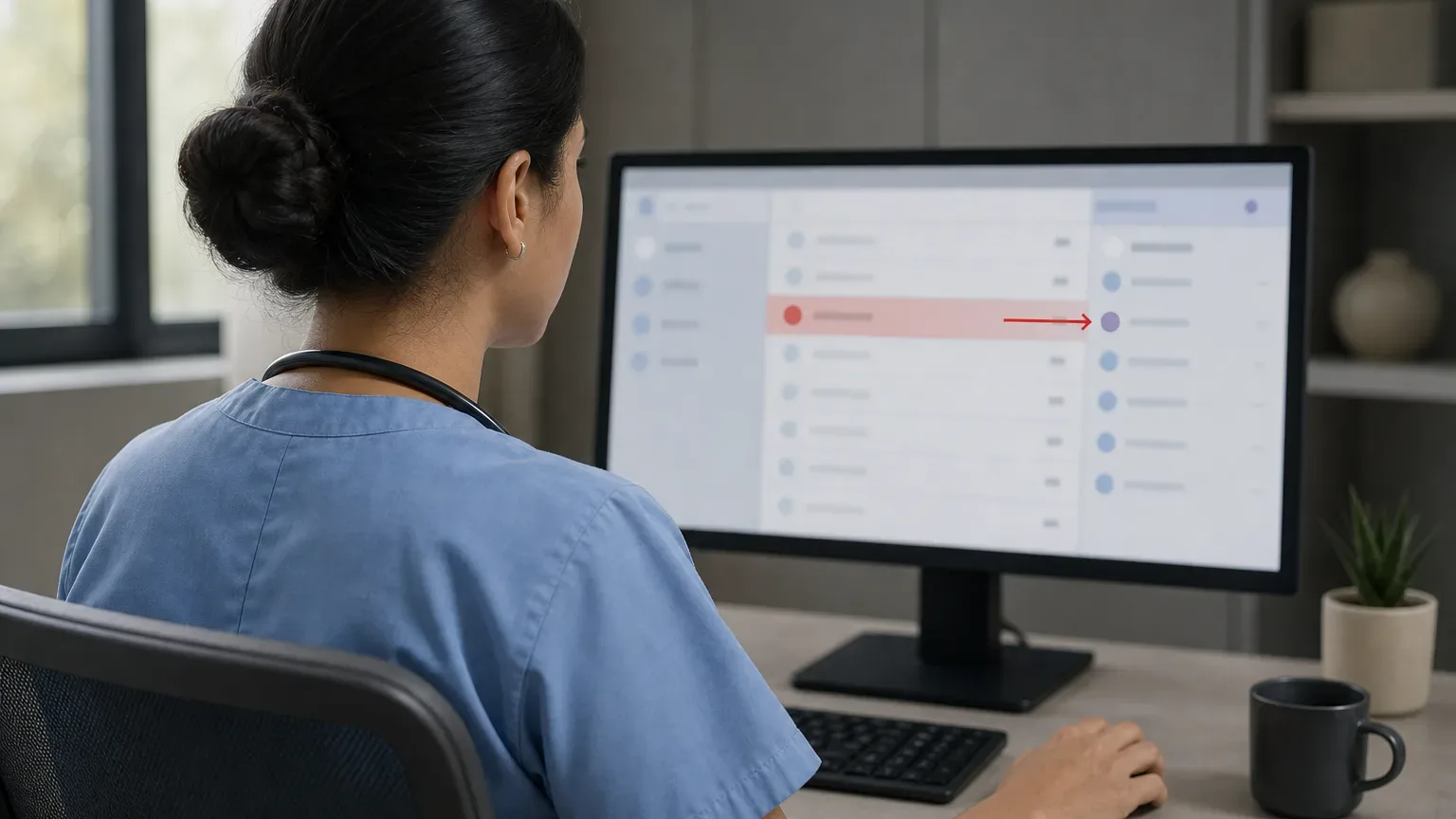
A busy primary care clinic can receive hundreds of patient messages every day, ranging from prescription refill requests to descriptions of chest pain. Without a system to sort those messages by urgency, staff spend time manually reading each one before deciding where to send it. That process is slow, inconsistent, and leaves genuinely urgent messages competing for attention alongside routine administrative requests. AI-powered patient message triage changes that dynamic by classifying each incoming message automatically and routing it to the right team within seconds.

What AI Classifiers Actually Do
An AI classifier is a machine learning model that reads an input, in this case a patient's text message or portal submission, and assigns it to one or more predefined categories. In a clinical setting, those categories might include urgent clinical, medication refill, appointment request, billing inquiry, and general question. The classifier outputs a confidence score for each label, expressed as a value between 0 and 1, indicating how likely the message belongs to that category.
The model does not diagnose patients. It sorts language patterns. A message containing phrases like "severe chest pressure" or "can't breathe" will match patterns associated with urgent clinical content far more reliably than a message asking about parking validation.
Multi-Label Classification in Practice
Patient messages rarely fit a single box. Someone might write: "I'm having trouble breathing and I need my inhaler refilled." That message carries both an urgent clinical signal and a medication refill request. Multi-label classification allows the system to assign two or more labels to a single message simultaneously, so both the triage nurse and the pharmacy team receive the appropriate notification rather than one group missing the message entirely.
This is distinct from multi-class classification, where each message receives exactly one label. Some clinics use a two-step approach: a multi-class model assigns the primary urgency tier, and a second pass uses multi-label logic to identify secondary routing needs.
How Urgency Tiers Work
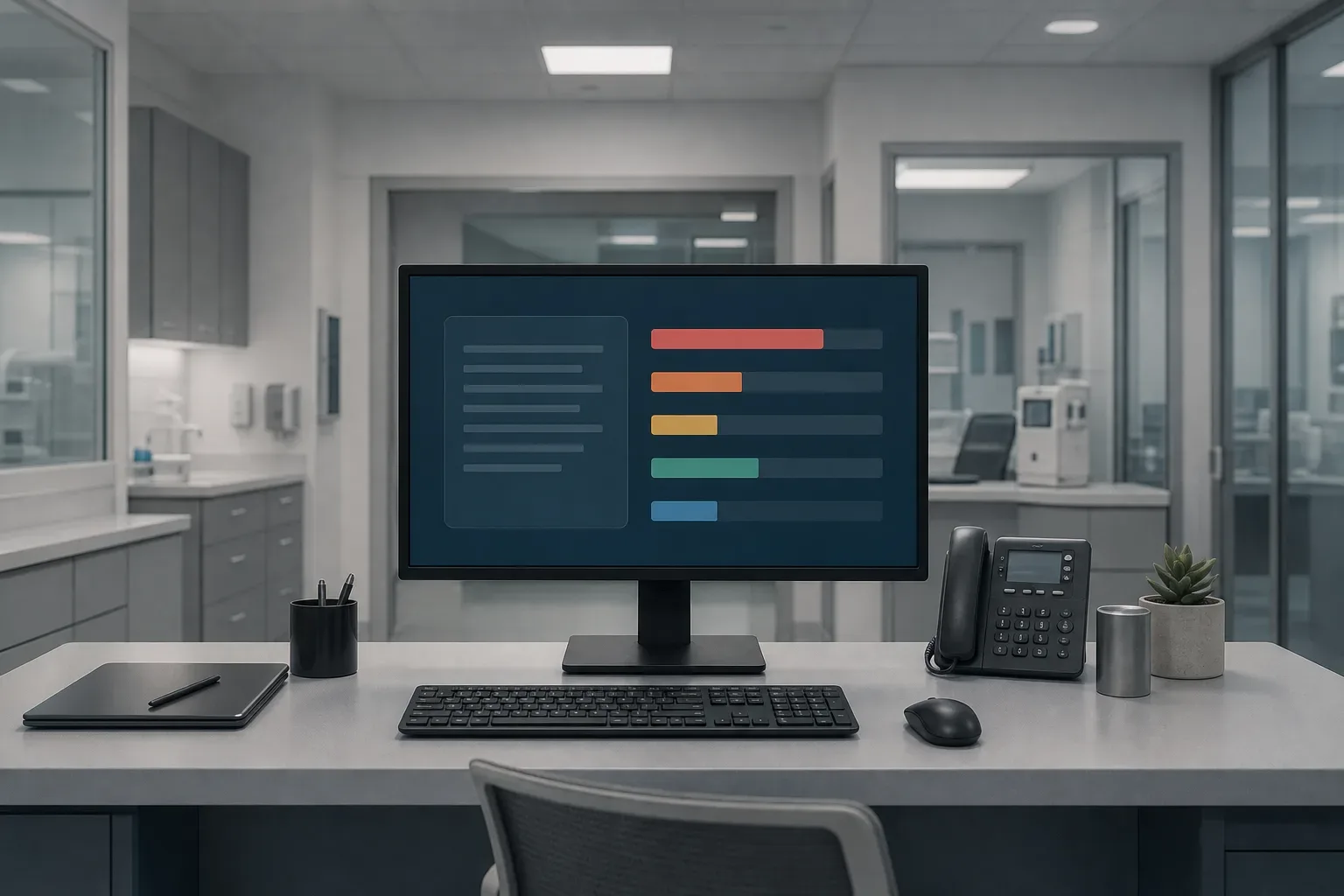
Most clinical triage systems define three to five urgency tiers. A common structure looks like this:
- Urgent: Potential emergency symptoms, suicidal ideation, acute medication reactions
- Semi-urgent: Worsening chronic symptoms, new pain lasting more than 24 hours, mental health distress
- Routine: Prescription refills, referral requests, lab result questions
- Administrative: Billing, appointment scheduling, general information
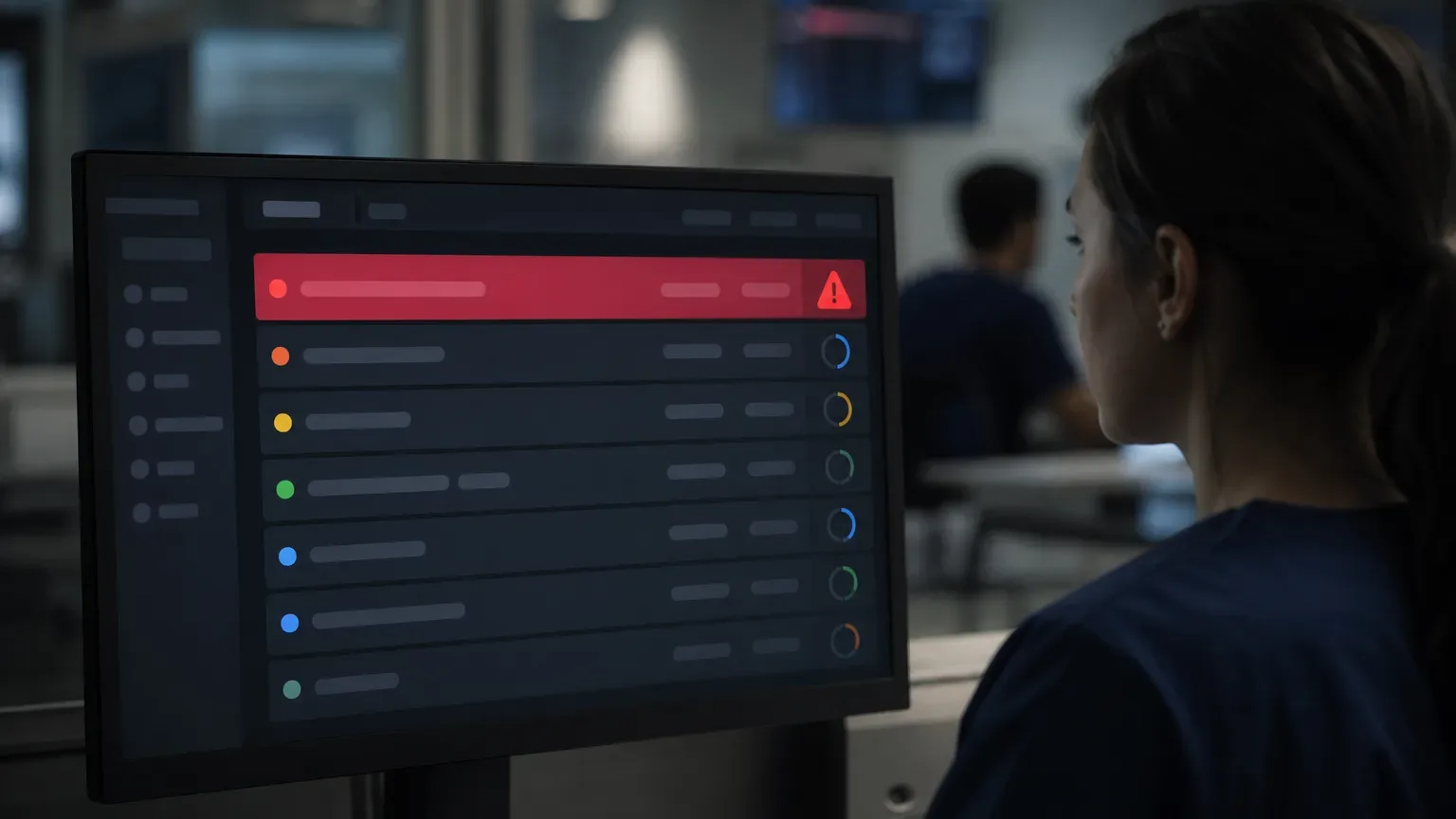
The classifier assigns each incoming message to one of these tiers based on its content. High-confidence urgent classifications can trigger an immediate alert to clinical staff. Lower-confidence classifications can be held for a brief human review before routing, giving staff a safety net without requiring them to read every message from scratch.
Confidence Scores Drive Routing Logic
A confidence score is a probability value between 0 and 1 that indicates how certain the classifier is about its prediction. Routing rules are built around these scores. A message classified as urgent with a score very close to 1 might automatically page an on-call nurse. A message with a mid-range score for the same label might instead surface in a priority review queue, flagged for a staff member to confirm before escalation.
Setting the right thresholds matters enormously. The default cutoff of 0.5 is rarely optimal in a clinical context, where missing a true urgent case carries far greater cost than a false alarm.
Why Speed Matters Here
Cloud-hosted text classifiers typically respond in under 100 milliseconds at standard input lengths. That speed means a patient message is categorized and queued for routing before a staff member would finish reading the subject line. At a clinic handling 500 messages per day, that adds up to hours of saved triage time weekly, time that can go toward patient care rather than inbox management.
Dedicated classifiers also cost significantly less to run at scale than using a large language model for every routing decision. Running a lightweight classification model typically costs an order of magnitude less per inference than an equivalent LLM API call. For high-volume clinical environments, that cost difference is substantial over a full year of operation.
Building a Reliable Triage Classifier
Training Data Requirements
Supervised text classifiers generally need at least a few hundred labeled examples per class to perform reliably. For a four-class urgency system, that means a minimum of roughly 1,000–2,000 labeled patient messages before the model produces consistent results. Clinics with richer historical data can train far more precise models, especially for distinguishing semi-urgent from routine cases where the language overlap is significant.
Data labeling must be done by qualified clinical staff, not general annotators, because the difference between "my knee aches a little" and "my knee is swollen and I had surgery last week" is clinically meaningful even if it looks superficially similar in text. A custom supervised classifier project of this kind, covering data labeling, training, evaluation, and deployment, typically runs from $5,000 to $50,000 or more depending on data volume and team expertise.
Guardrails and Safety Layers
A guardrail is a safety layer that inspects inputs or outputs to block harmful, non-compliant, or off-topic content before it reaches end users. In a patient triage system, guardrails serve a different purpose: they catch edge cases where the classifier output conflicts with clinical safety logic. For example, a guardrail rule might override a routine classification if the message body contains specific keywords associated with self-harm, regardless of what the model's primary label says.
This combination of learned classification and deterministic rule logic is more robust than either approach alone. The classifier handles nuance and natural language variation. The guardrail handles non-negotiable safety overrides.
Privacy and Compliance Considerations
Patient messages contain protected health information, which means any AI system processing them must operate within HIPAA-compliant infrastructure in the United States, or under equivalent frameworks in other jurisdictions. AI PII classifiers can identify common personal data types such as names, phone numbers, and national ID numbers, but they should be combined with rule-based patterns for regulatory compliance. No classifier achieves perfect detection, and human audit remains necessary for high-stakes use cases.
The EU AI Act, in force from 2024 with phased obligations running through 2027, designates certain AI classification systems as high-risk, particularly those operating in healthcare contexts. Clinics deploying AI triage tools in Europe need to confirm their conformity obligations before launch and revisit them as compliance deadlines evolve.
Integrating with Existing Workflows
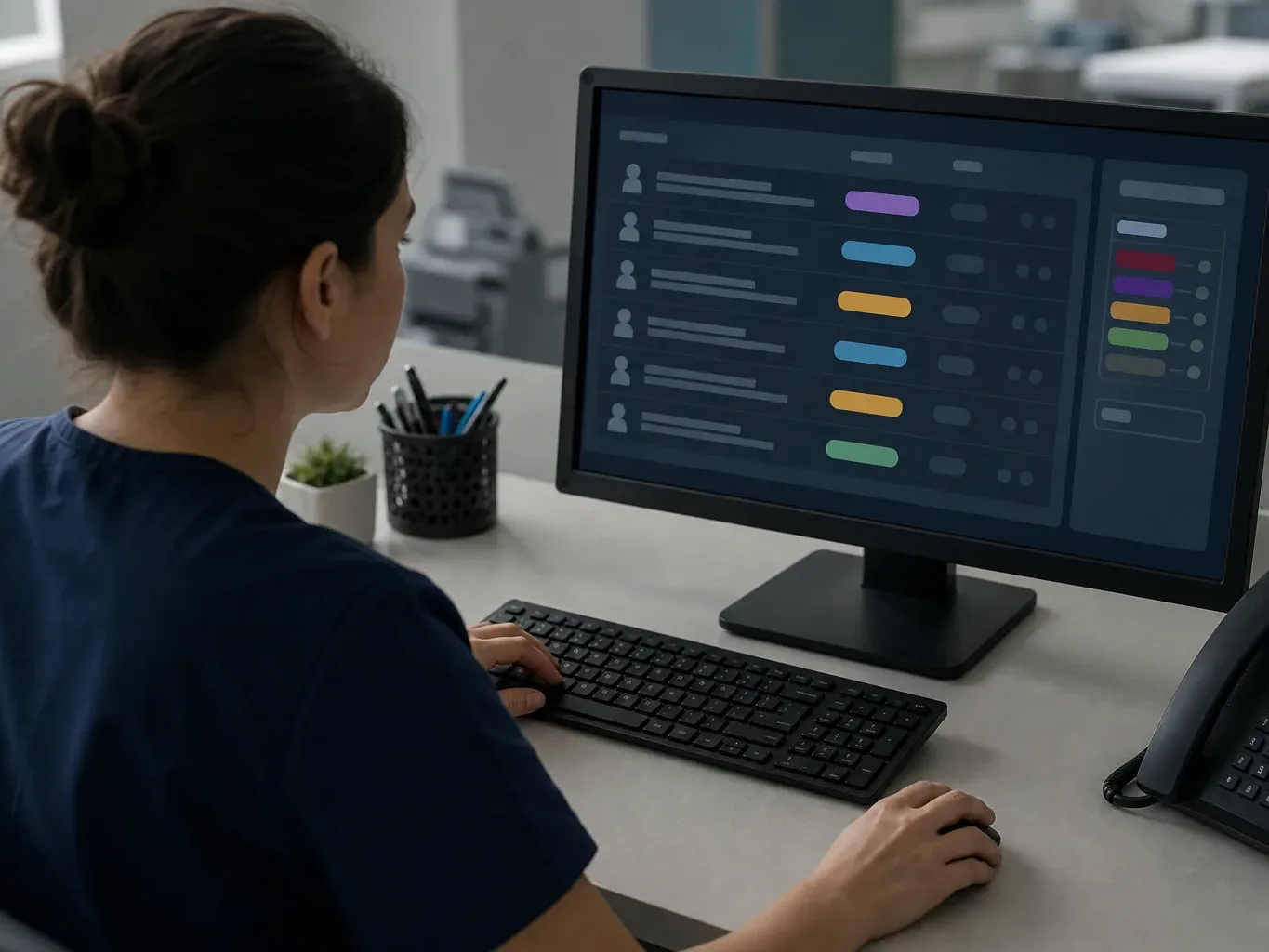
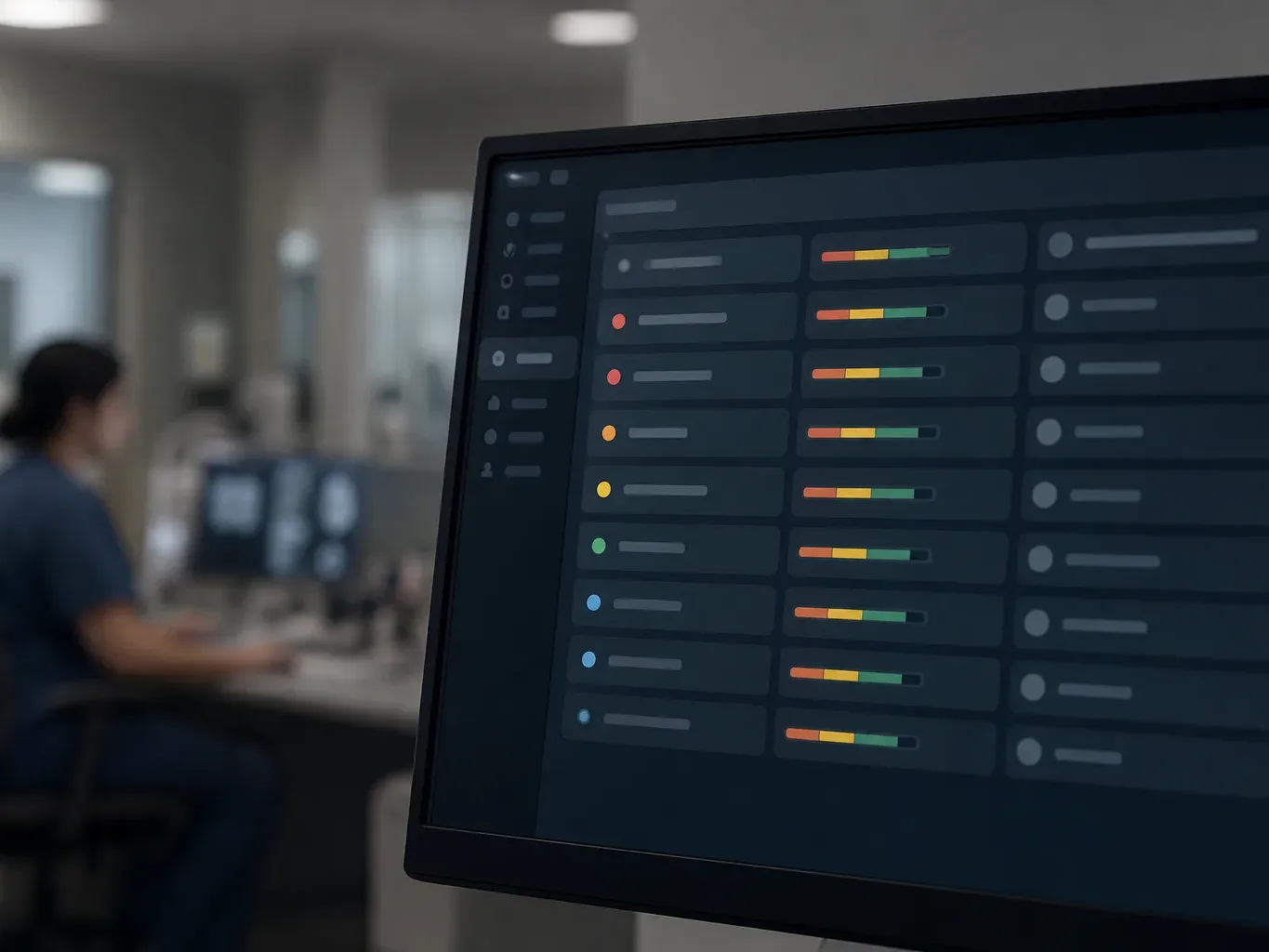
AI triage works best when it feeds into tools staff already use rather than creating a parallel system. Most implementations connect the classifier output to the clinic's existing EHR messaging module or patient portal inbox through an API layer. Staff see messages pre-sorted and pre-labeled when they open their queue, with a confidence indicator alongside each label so they can apply their own judgment quickly.
The practical outcome for patients is faster acknowledgment of urgent needs and less chance that a serious symptom description sits unread for hours. For staff, it means less time spent on manual sorting and more time spent on the clinical work that actually requires human judgment.
Frequently Asked Questions
What Is Patient Message Triage?
Patient message triage is the process of sorting incoming patient communications by urgency and clinical need so that serious concerns reach the right clinical staff quickly while routine requests follow a lower-priority path. Traditionally done manually by staff reading each message, it is now increasingly handled by AI classifiers that assign urgency labels automatically.
How Accurate Are AI Classifiers at Sorting Patient Messages?
Modern AI text classifiers commonly report 95–99% accuracy on benchmark datasets, though real-world performance depends heavily on how well the training data matches the clinic's own patient population and message style. Clinics should expect to monitor accuracy continuously and retrain models as language patterns shift over time.
Can an AI Classifier Miss a Genuinely Urgent Patient Message?
No classifier is perfect, which is why most clinical deployments pair the AI model with guardrail rules that catch high-risk keywords regardless of the model's primary label. Setting a lower confidence threshold for urgent classifications also reduces the chance of a true emergency being routed as routine, at the cost of more messages entering human review.
Is Patient Message Triage AI Compliant with HIPAA and Other Privacy Laws?
Compliance depends on the infrastructure the classifier runs on, not the model itself. The AI system must operate within a HIPAA-compliant environment, and any vendor handling patient data must sign a Business Associate Agreement. In the European Union, certain healthcare AI classification systems are designated high-risk under the EU AI Act, requiring conformity assessments and human oversight obligations.
How Long Does It Take to Set Up an AI Triage System for a Clinic?
Implementation timelines vary widely based on data availability and integration complexity. A clinic with thousands of well-labeled historical messages could deploy a working classifier within weeks. A clinic starting from scratch with minimal labeled data may need several months to gather sufficient examples, complete annotation with clinical staff, and validate performance before going live.